
Pole-and-Line to Production Line: How PT Pahala Supplies Global Tuna Brands
When you pick up a can of tuna in the U.S. or Europe, there’s a good chance the story starts long before the canning line—at a facility focused on one thing: producing consistent, high-quality tuna loins at scale.
PT Pahala Bahari Nusantara, based near Jakarta, supplies precooked, frozen loins to some of the world’s best-known tuna brands.
In this interview, Ferly, the plant’s factory manager, walks us through what a “loin” is, how the company manages volume and quality, why sustainability certifications matter to buyers, and how requirements—now extending even to by-products and Passover—are becoming a more visible part of the global seafood supply chain.
OU Kosher: To start, can you introduce yourself and where your plant is located?
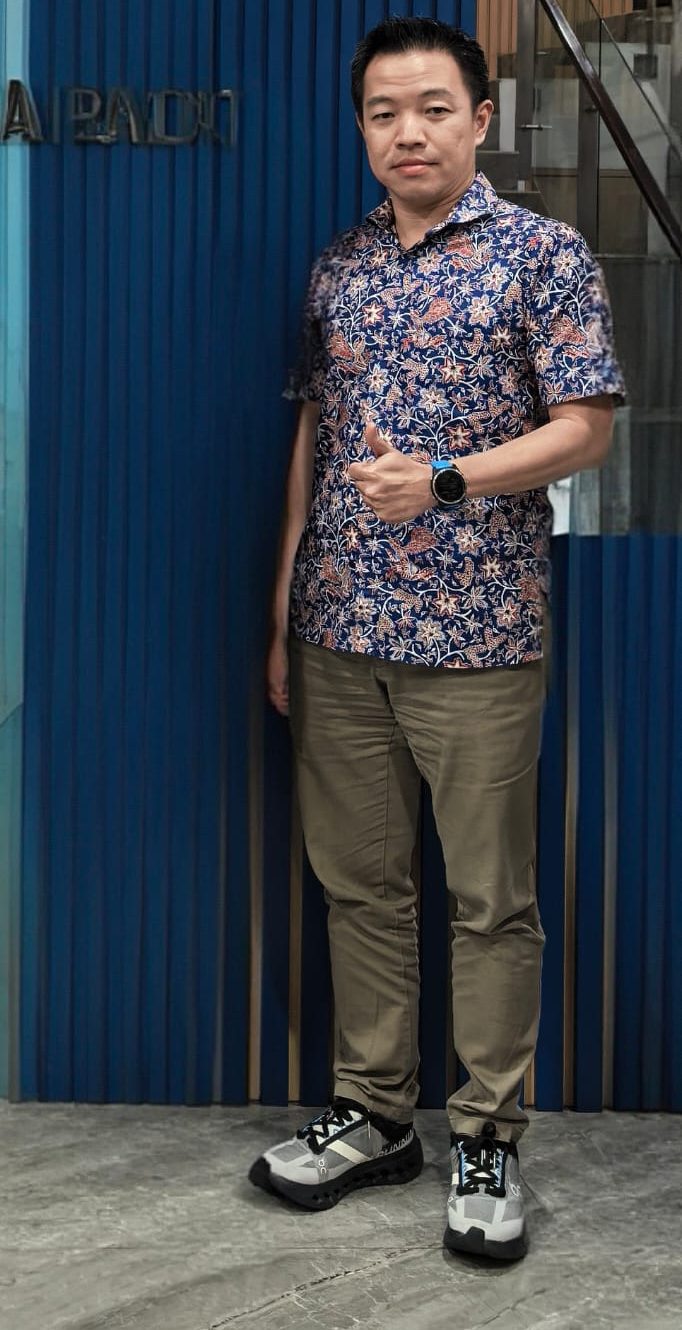
Ferly Santoso, Plant Manager
Ferly: My name is Ferly. I’m the factory manager at PT Pahala Bahari Nusantara. Our plant is in Cikarang City, Bekasi, near Jakarta—about two hours away. I’m responsible for the overall plant operation: production, quality, and support functions like HR, maintenance, and more.
What the Company Produces
OU Kosher: Can you tell us, at a high level, what does your company make?
Ferly: We focus on frozen, precooked tuna loins and pouched tuna. Our main species are skipjack and yellowfin. We also have a by-product—crude tuna fish oil—which is also kosher certified.
OU Kosher: For readers who aren’t familiar—what is a “loin” in tuna?
Ferly: A loin is what we call the light meat. We take the meat from the fish only. When we receive the fish, we cook it and remove everything we don’t use—skin, bones, tail, head—so only the meat remains. That meat is the loin.
Who Buys the Product
OU Kosher: Can you share examples of companies you supply?
Ferly: We sell to the biggest brands worldwide.
OU Kosher: Those are very large customers. Are you one of many suppliers for them?
Ferly: From Indonesia, not so much. We are the biggest tuna loin factory in Indonesia, and I don’t think there are other suppliers from Indonesia supplying to them in the same way.
Supplier Oversight and Audits
OU Kosher: You mentioned working closely with suppliers. What does that look like?
Ferly: We work closely with our suppliers to maintain our fish resource and quality. We need good quality fish, so we go to suppliers and do audits.
OU Kosher: How often do you audit suppliers?
Ferly: At least twice a year, depending on our assessment. If they supply a large quantity—or if we see an issue—we go and check what happened at their facility.
What Makes the Company Stand Out
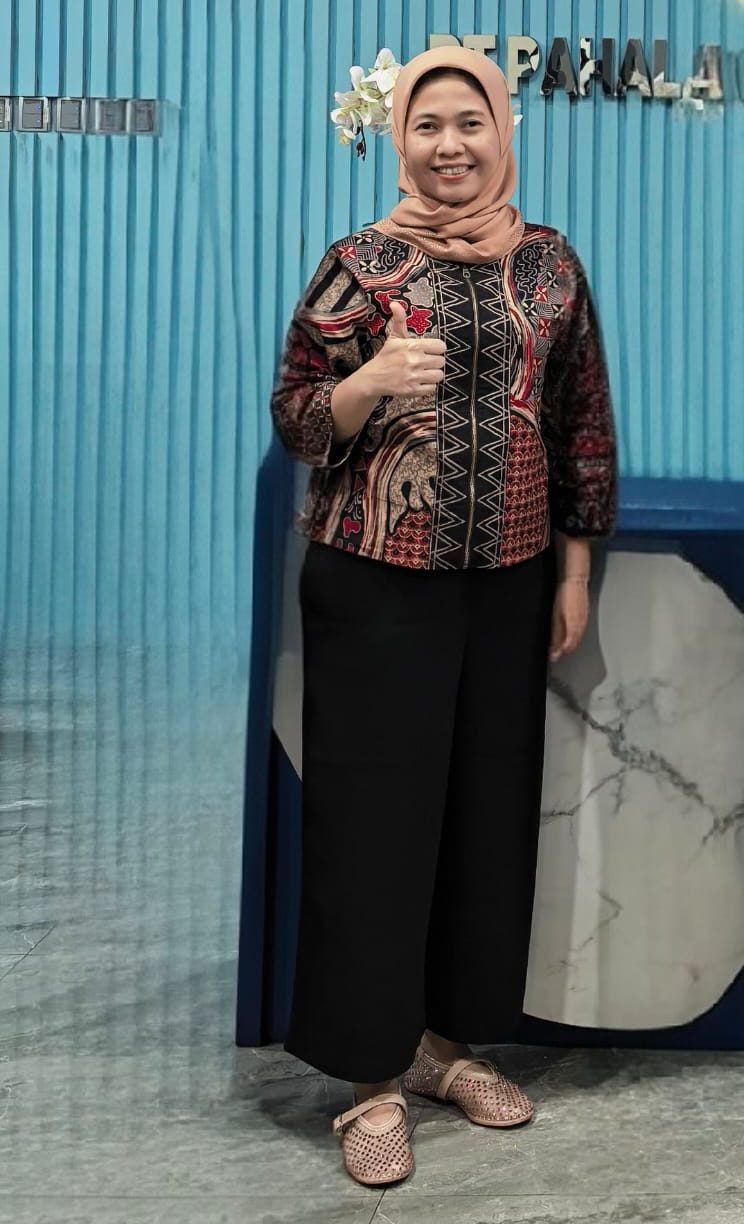
Endang Bu, QA Manager
OU Kosher: What do you think makes you different from competitors?
Ferly: We have volume, and we meet many customer requirements through certifications. Kosher certification is required by all of them.
Beyond Kosher: Sustainability Certifications
OU Kosher: Besides kosher, what other certifications do buyers ask for?
Ferly: On the fishery side, we have Dolphin Safe certification. We also have Marine Stewardship Council (MSC) certification.
OU Kosher: What does MSC mean?
Ferly: MSC is an eco-label. It supports sustainability and helps prevent illegal catching. If you see the blue MSC label on a can, that’s the certification—wild and certified sustainable seafood.
How Compliance Is Verified
OU Kosher: How do auditors confirm suppliers are following rules like Dolphin Safe?
Ferly: Auditors check us, and certification bodies audit us and the suppliers—similar to how the OU Kosher representative audits us. They check the fishing site and review reports.
OU Kosher: Do they actually go out on the boats?
Ferly: Yes. They go to boats randomly every year.
OU Kosher: So suppliers know they can’t sell to major U.S. and European companies if they don’t comply.
Ferly: Yes. If they want to sell fish to us, they need to comply.
MSC and Fishing Methods in Indonesia
OU Kosher: Can you explain MSC again—what is required?
Ferly: It relates to traceability and sustainability. The catching area must be certified.
OU Kosher: In Indonesia, what does that mean in practice?
Ferly: In Indonesia, the certification is only for pole-and-line catching.
OU Kosher: Not large nets?
Ferly: Not the big ones. Pole-and-line means catching fish one by one.
OU Kosher: Why does that matter?
Ferly: Because you catch fish one by one, the catch is more controlled, and there’s less risk of catching very small fish.
Tuna Size and Daily Catch
OU Kosher: Tuna are big—but what size tuna do you process?
Ferly: We process what we call “baby tuna”—less than 5 kg, usually around 3 to 5 kg.
OU Kosher: How many people fish on a boat, and how much can they catch?
Ferly: It depends on boat capacity. Sometimes 10 to 15 people. In a day, around 5 to 10 metric tons.
Dolphin Safe: What It Means Day to Day
OU Kosher: Is it dolphin safe because pole-and-line doesn’t catch dolphins?
Ferly: Yes, but Dolphin Safe is not only about how you catch. Some suppliers also use nets.
OU Kosher: And then the requirement is the right fishing area and not catching dolphins?
Ferly: That’s the idea. Near the coast, there are no dolphins. I’m not fully sure about every detail of net fishing rules, but compliance is monitored through audits and reporting.
Processing and Shipping
OU Kosher: Walk me through your process. How long from receiving tuna to freezing and shipping?
Ferly: When we receive the fish, we process it at the plant. After we get the meat, we put it in plastic bags and freeze it. Processing is one day, freezing is one day—so about two days total.
OU Kosher: And then you ship?
Ferly: Yes. We put it on pallets, load a container, and send it to the buyer.
OU Kosher: Do you ship directly to the U.S. and Europe?
Ferly: Yes, directly by container.
OU Kosher: How long does it take to reach the United States?
Ferly: It depends on the sailing schedule—maybe around 30 to 40 days.
Growth and New Customers
OU Kosher: Are you looking for new customers?
Ferly: Yes, of course. We want to expand sales. When we go to trade shows, we look for new customers and also maintain relationships with our biggest buyers.
OU Kosher: Is your processing different from other tuna processors?
Ferly: The main tuna manufacturing is mostly the same. But we also have by-products and a complete plant for them: fishmeal, fish oil, fish extract, and fish soluble.
OU Kosher: Do you have customers for all of that?
Ferly: Yes.
OU Kosher: Are those customers also in the U.S.?
Ferly: No—mostly Europe and Asia.
OU Kosher: Are those by-products sold raw and frozen?
Ferly: No. They are processed. For example, fishmeal is a powder.
OU Kosher: Do you use enzymes in processing?
Ferly: For fishmeal, no.
Market Trends: Traceability and Sustainability
OU Kosher: What trends are you seeing in the tuna market?
Ferly: Sustainability is a big focus worldwide. Eco-labels have become very important. We need to adapt. Fish must have identification and cannot be illegal. We catch in areas that are sustainable, and the method is also sustainable.
OU Kosher: Is pole-and-line seen as more sustainable?
Ferly: Yes. You catch one by one, and there is less chance of catching very small fish. Small fish under 1 kg need the chance to grow.
OU Kosher: Do fishermen throw back small fish?
Ferly: With pole-and-line, I don’t think small fish are usually caught because the hook is quite big. Small fish cannot bite the hook. That’s part of why it’s considered more sustainable.
Company Growth and the Certification Journey
OU Kosher: Is your business growing?
Ferly: Yes—stable and growing.
OU Kosher: When did the business start?
Ferly: We started in 2007. So almost 18 years now, and the growth and improvement is on track.
OU Kosher: When you started, did you already need certifications?
Ferly: Yes. We started with basic programs like GMP and HACCP-style food safety requirements.
OU Kosher: And after that?
Ferly: As we grew, we added more systems—ISO, and other food safety certifications, and now BRC, which is a food safety management system.
OU Kosher: There’s a real cost to maintaining all those certifications.
Ferly: Yes. Applying for certificates takes a lot of money.
OU Kosher: Who manages all the certification requirements?
Ferly: We do. We track them and keep them updated.
New Kosher Requests: By-Products and Passover
OU Kosher: You mentioned something new—buyers asking for kosher for by-products.
Ferly: Yes. Now some buyers are requesting kosher for by-products.
OU Kosher: Is that the first time?
Ferly: Yes—first time.
OU Kosher: Is the buyer American?
Ferly: No—Japanese. Last month they asked about by-products and they want them certified kosher too. We never had that requirement before.
OU Kosher: You also mentioned Passover production.
Ferly: Yes—Passover production has increased.
OU Kosher: You’re certified for Passover?
Ferly: Yes. We already processed for Passover last year.
OU Kosher: Was that the first year?
Ferly: We’ve been doing it for about two years, but now the quantity has increased.
Closing Message to Potential Buyers
OU Kosher: Any final message to companies that may want to buy from you?
Ferly: We are focused on building strong visibility and control in the fishery supply chain and improving volume. On the quality side, we maintain specifications and consistency. And for special certifications like kosher—plus all certifications—we maintain them carefully. That helps us open markets and grow.
OU Kosher: Thank you very much for your time. And thanks for choosing OU.